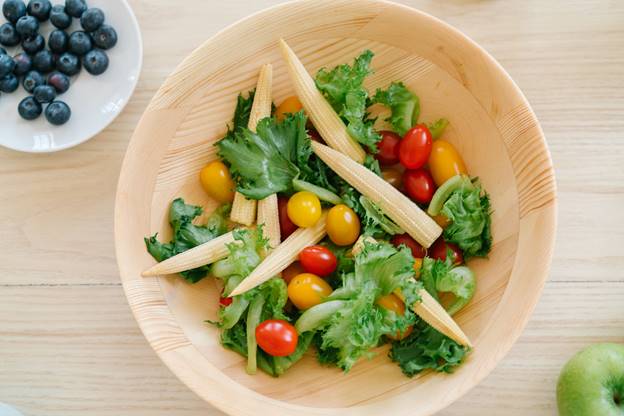
With the latest gimmicks, rare and unusual items that perish before you can use them, and the desire to make something for Instagram, cooking can feel stressful instead of a way to feed the soul. The modern kitchen can feel daunting, so let us face it. However, a subtle shift is taking place, even in 2026 design. Minimalism is not going away; it is evolving. It is moving away from the sterile, empty look toward a more functional, purposeful aesthetic focused on sanity, sustainability, and taste. Minimalism can completely revolutionize the way you cook for the better in the following ways:
This is the Shift: From Overwhelm to Intention
You are not the only one who’s opened her pantry, gotten a bit panicky, and ordered takeout. The modern cooking trend is to go for the complexity. There must be a special tool for each job and a kitchen with every spice you can dream of. This results in decision fatigue. Choices and clutter abound, and we must start somewhere.
Minimalist cooking is the cure! It is not about eating plain food; it is about cutting out the chaff and focusing on what matters: good ingredients, efficient processes, and enjoying the meal. After simplifying their kitchen, one home cook said the best life isn’t about having more to get richer, but about letting go of the redundant to live more simply and comfortably. It can turn the kitchen into a war zone and disrupt serenity.
2026 Trends: The Rise of the Human Kitchen
This year’s kitchen design ideas align with simplicity and authenticity. IKEA says the kitchens available in 2026 will be both simple and extravagant, but that simplicity will be a refuge from an overwhelming day.
There is also a trend towards soft brutalism and human-made designs. Technology is clinical, and this trend balances it by highlighting tactile qualities and craftsmanship. In effect, this translates to kitchens becoming homier and more efficient, rather than spotless and perfectionistic. The focus is on quality over quantity, incorporating natural materials such as wood and stone and choosing efficient appliances. This departs from the more-is-more philosophy, creating a space carefully selected and designed to make cooking a delight, not a task.
Core Principles of Minimalist Cooking

1. The Meal Prep Revolution
A huge, incredibly useful part of minimalist cooking is being efficient most of the time through batch cooking, or meal prep. It is about thinking strategically about cooking, not scrambling every day.
Busy people have shifted to bulk-preparing foods once or twice a week. This means selecting a few core ingredients such as a lean protein, a vegetable that can be used in many ways, and a healthy carbohydrate and preparing a big batch. You can then store these individually in the fridge and use different sauces or seasonings to create different meals throughout the week, with the option to mix and match. This reduces kitchen time from more than an hour a day to about 15 minutes. The approach is to plan, prepare, and relax.
2. The Power of Task Layering
A professional chef should not waste time, and neither should a home cook. Task layering is an innovative idea. This includes scheduling cooking time in your calendar, pairing down tasks with things you can do while waiting for something to cook, such as chopping veggies, with activities you can do while things are simmering, such as making a sauce. Rather than working on a single task, you are a kitchen choreographer. Bring sauce to a simmer and prepare vegetables while it cooks. Here you are, spending no minutes wasted and staying mentally productive without adding to your mental load, smoothing the stressful process.

3. The One-Pot and No-Heat Movement
Cleaning is a minimalist concept, as well. This is known as the one-pot or one-pan technique, a popular cooking method for anyone from a single person to a large family. It makes dishes in one pot or on one sheet pan, so you save a lot of cleanups.
No-heat or no-oil cooking is also becoming popular, in part because of Japanese cool meals. This includes mixing items such as warm rice, cold tofu, canned fish, and vegetables without using the stove. It’s not necessarily a nutritious food, but it’s certainly a demonstration of the way minimalism will ask you to simplify the process to the very extreme, rather than the oil splatters, heavy cleaning, and thinking about what kinds of ingredients and foods you should think about using.
4. Curbing the Chopping Anxiety
For many people, the most daunting part of cooking is the preparation itself. One basic rule for minimalist cooks is to do everything on the weekend: chop and prep vegetables and make the sauce. A frequently offered tip for minimalist cooks is to do the chopping and prep on the weekend and make the sauce.
Do not make all meals from scratch. Instead, cook a whole chicken once per week, blanch the broccoli once, and chop all the carrots and onions. On Tuesday nights, when you open your fridge, you do not see a whole chicken; instead, you see pre-portioned chicken breasts and cut vegetables ready to make. The learning load is removed. No preparation is involved; you are simply putting it together. This exercise helps prevent the so-called staring-into-the-fridge syndrome that can lead to pizza orders.
The Kitchen: Space for Calm
Space is also needed to embody the minimalist approach. One of the interior design mantras for 2026 is: everything has a home, and it looks good there. The golden standard for a minimalist kitchen is “台面无物” (clear counters). When not in use, store it away. Use clever storage solutions that minimize visual noise and make items easy to put away and retrieve.

Strategic Storage
Utensils: Use a magnetic white utensil strip that clips to the wall to save counter space, or a white utensil drawer organizer to hide the utensil mess.
Use slim pull-out pantries to maximize vertical space and keep everything visible. This reduces the risk of buying the same spices or food twice or letting them spoil because you don’t realize you already bought them.
Curating Tools: A key element of minimalist cooking is having a few essential tools. As with eliminating decision fatigue, you can minimize physical and mental clutter by minimizing gadgets. A sharp knife, large cutting board, cast iron skillet, and Dutch oven can be your entire arsenal.
The Benefits: What You Actually Gain
A minimalist approach to cooking has real-world positive impacts, beyond saving time.
Less Stress and Decision Fatigue: With fewer choices, you spend less mental energy on inconsequential decisions.
Money Savings: You will save money by cutting back on waste and ordering less food. It’s more economical to buy whole foods at once and serve them throughout the week than to make individual meals.
Enhanced Wellness: A diet with fewer processed foods and more whole foods naturally supports better health. It helps you avoid processed foods and take charge of what you put in your body.
When you take stress and chaos out of the kitchen, cooking and eating become enjoyable, and many people come to appreciate the taste of simple, good-quality food more than complex food.
This year, we’re learning that good doesn’t have to mean bigger or fuller in the kitchen. It is the easiest way to make nutritious food without going crazy. Low-prep cooking isn’t deprivation; it’s a path to a better, simpler, more delicious life. It’s not a cooking show; it’s about cooking for life.
Leave a Reply