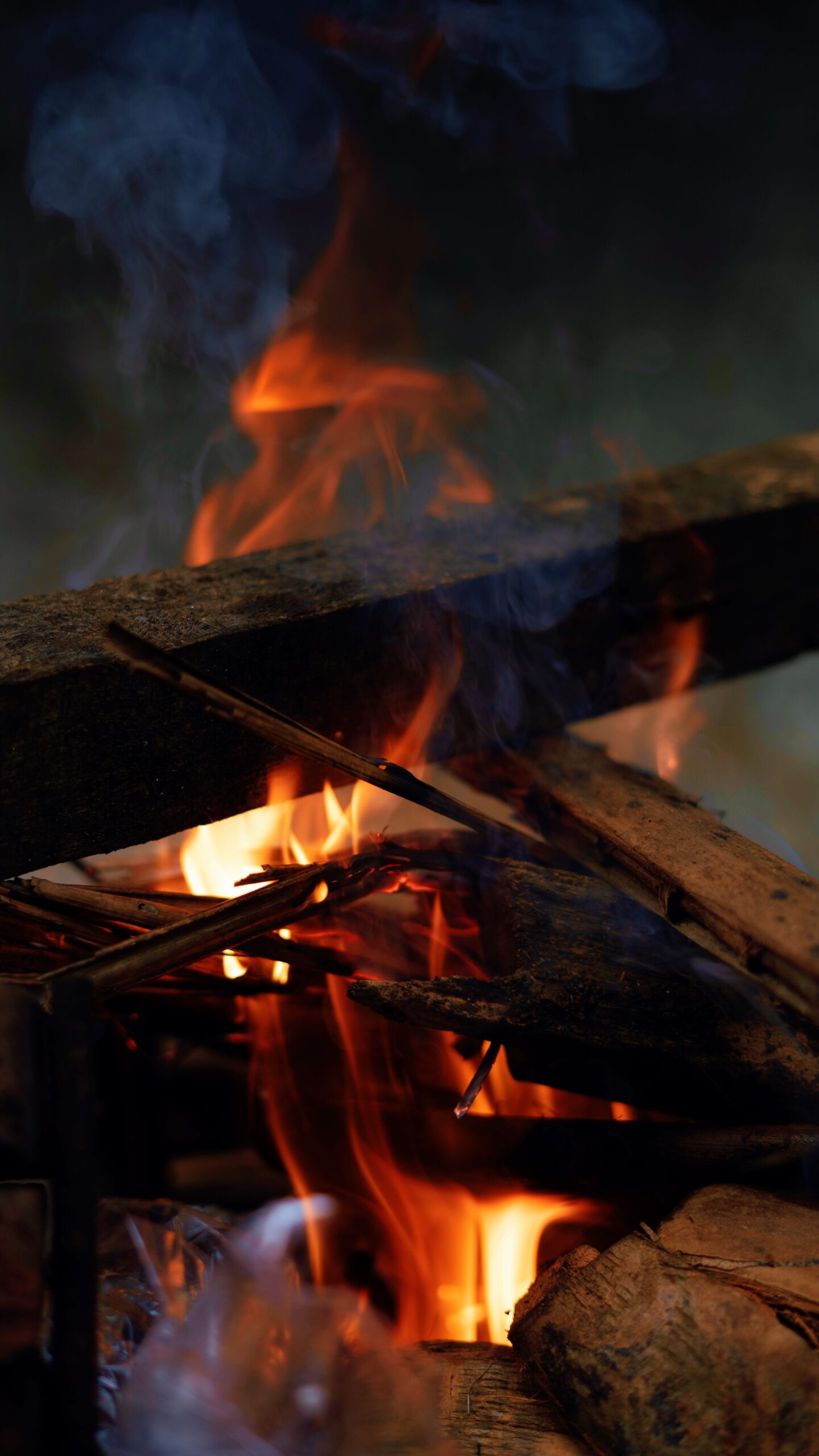
The Kenyan cost of inaction on cooking fuel is estimated at $39 billion per year, including health costs, lost labor, and climate damage. But cooking fuel is more than a household cost. It’s a health crisis, an environmental disaster, a gender gap, and an economic blunder. Here’s why this is more complex than most people think.
The Public Health Emergency Hiding in Plain Sight
Almost 7 out of 10 Kenyan households use traditional biomass fuels for cooking every day. The proportion is even higher in rural areas, with more than 80% of households in western Kenya depending mainly on firewood. These fires can be deadly because of the smoke they produce. Household air pollution due to solid fuel use has been estimated to kill thousands of people each year by the World Health Organization. Indoor air pollution is associated with about 23,000 deaths.
Women and children are most affected. They are closest to the cooking zones, where they breathe fine particulate matter at levels far above safe limits. This exposure leads to respiratory infections, chronic obstructive pulmonary disease, and eye complications, and is associated with a higher risk of pneumonia.
The economic consequences are tremendous. Health costs account for 56% of the annual cost of clean cooking in Kenya. Preventable illnesses drain household incomes, put strain on health care facilities, and reduce people’s productivity.
The Hidden Economic Trap

Unfortunately, the poorest families often pay the highest energy costs. They buy firewood in small amounts at exorbitant prices, whereas better-off households may obtain wood from private property at little or no direct cost. This is a particularly stark form of energy injustice.
One recent study in Nairobi comparing cooking costs in the city concluded that the electric pressure cooker was the most economical and energy-efficient option. However, it is too expensive, between Ksh 6500 to Ksh 10000 ($50–80), for many families. Meanwhile, LPG and charcoal prices fluctuate significantly by brand and market, so households often cannot predict fuel prices in advance.
The global market also worsens hardships for Kenyan families. The war in Ukraine has disrupted supply chains, pushing up the prices of fuel, food, and fertilizers and deepening inequalities. In times of economic crisis, women are more likely than men to switch to cheaper, traditional cooking fuels that harm their health. The fuel subsidy put in place to support households was not sufficient to change their behavior.
The Unseen Burden: Time, Dignity, and Opportunity
One of the highest costs of unclean cooking is time. Studies show that, with clean cooking solutions, households would save about 790 hours per year that would otherwise be spent collecting firewood and tending smoky fires.
Women in rural homes must collect firewood for hours a day. Often, girls help, sacrificing school attendance. Research from neighboring countries revealed that a one-hour rise in firewood collection corresponded to fewer school days, which was associated with lower educational attainment later in life.
Kenya’s cost of inaction on clean cooking includes 36% of its total costs in labor-related expenses, worth $14 billion. This reflects the time women and girls spend collecting fuel, cooking, and cleaning stoves, which limits their participation in education, employment, and economic activities.
Cleaner fuels fill this gap. Evidence shows that cleaner cooking technologies can reduce the time gap between women and men in cooking.
The Environmental Death Spiral
Harvesting firewood and producing charcoal is slowly stripping Kenya of its tree cover. Forest loss also reduces the landscape’s ability to regulate rainfall, reduce soil erosion, and store carbon. This seemingly domestic energy choice is actually a local driver of environmental change that leads to land degradation and increased climate vulnerability.
Kenya’s cost of inaction on clean cooking includes climate-related costs of 8%, equivalent to $2.9 billion. This reflects the environmental damage from continued use of inefficient fuels and biomass, including deforestation, ecosystem degradation, and greenhouse gas emissions.
This cycle continues, creating a vicious loop of energy poverty and environmental degradation that increases rural communities’ economic vulnerability.
The Uncomfortable Truth: Policy That Punishes the Poor
A disturbing side effect is that well-intentioned policies can have adverse outcomes. Forest conservation policies have created tensions at the county level, even though they are meant to protect forests. Limited access to firewood has put at-risk families in a difficult position, forcing some to choose between meeting their cooking needs and complying with conservation rules.
This has created tensions between human needs and environmental protection. But according to experts, energy injustice extends beyond access to clean cooking fuels and electricity to who decides, who is listened to, and who suffers when systems fail.
A Way Forward: What 2026 Shows

Despite the grim situation, 2026 offers real hope. Kenya’s National Cooking Transition Strategy (NCTS) aims to achieve universal access to clean cooking by 2028. Between 2024 and 2030, development partners have committed $2.2 billion for clean cooking projects, with Kenya receiving the largest share.
County governments are acting; Makueni County entered a five-year partnership with CLASP to help more than 4,500 people in 63 vocational training centers transition to clean energy. The county has already invested KSh 157 million in solar energy projects. Nakuru County is implementing stakeholder engagement forums to promote the uptake of clean cooking.
Some solutions have practical applications. Recently, the KPC Foundation distributed full LPG starter kits to 100 vulnerable households in Mukuru Viwandani, Nairobi. For homes connected to the grid, electric pressure cookers are among the most cost-efficient cooking options. Improved cookstoves can reduce fuel consumption by up to 60%.
Leave a Reply