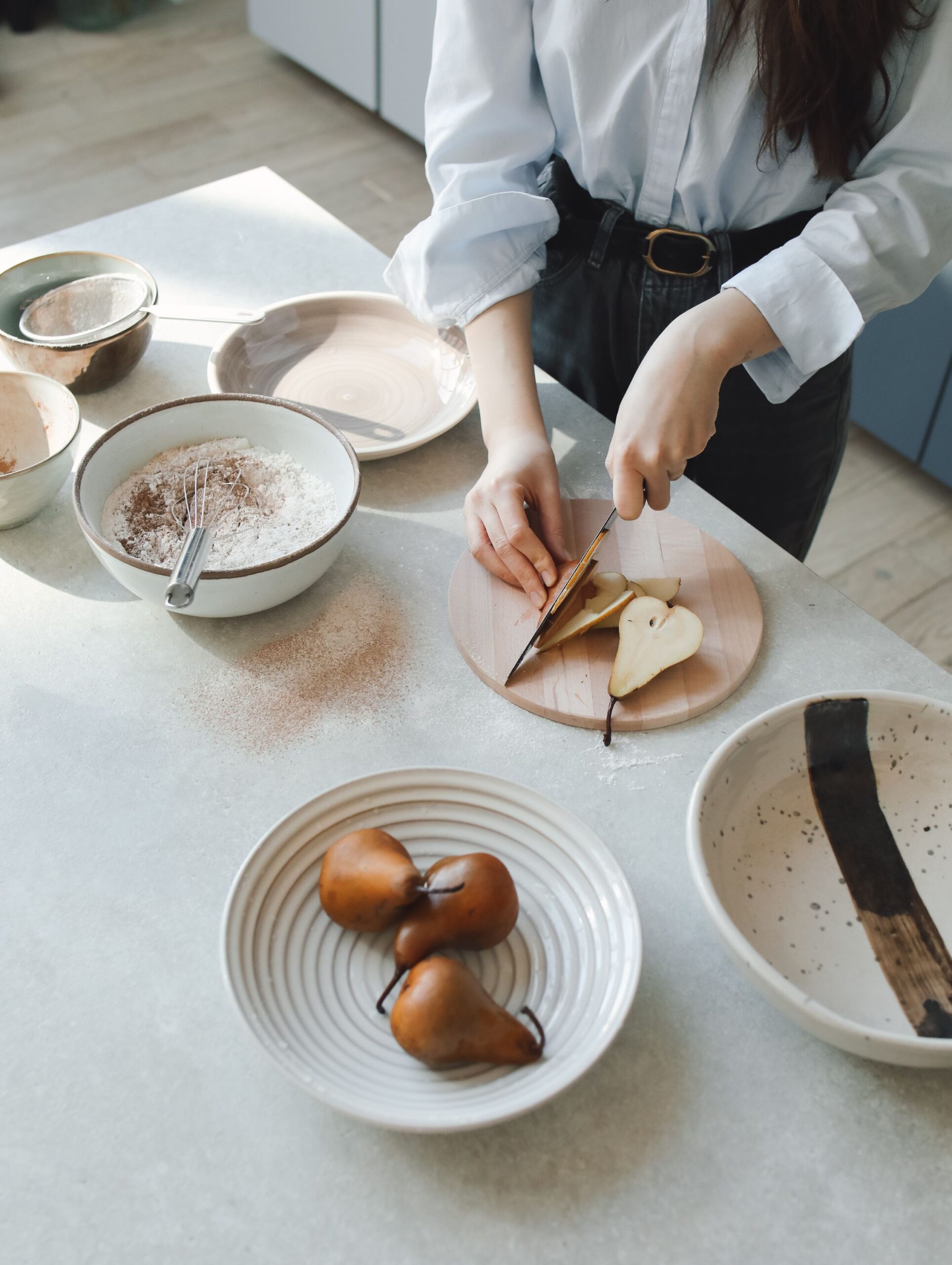
So, let’s face it for a second. When we hear “sustainable kitchen,” most of us think of mason jars, bamboo utensils, and maybe a compost bin under the sink, but many other items can make a difference. But when we say sustainable kitchen, you probably think of mason jars, bamboo utensils, and even perhaps a compost bin under the sink; many other items can make a difference, though. However, in 2026 things are much more complex and much more pressing. The sustainable kitchen is no longer a trendy style, but a system of smart decisions shaped by climate policies such as New York’s All-Electric Buildings Act and consumer demands for brand transparency.
Beyond Aesthetics: Why Sustainability Now Means Substance
For years, sustainable kitchen design was often superficial. It meant choosing natural colors, adding a few plants, and that was it. However, things have changed. Contemporary sustainable kitchens are measurable: carbon footprints shrink, indoor air quality improves, waste drops, and materials are truly renewable and recycled.
The kitchen area has become more of a multi-purpose central living space than a functional room, and designers now focus on materials, technology, and layouts that fit lifestyle and sustainability. This isn’t about giving up; this is about living smarter.

The Foundation: Materials That Matter
The most important sustainability decision you’ll make during a kitchen renovation is what materials you use. Whether you’re installing cabinets, countertops, or flooring, it is a huge investment of resources, and the wrong choice can cost you years of environmental damage.
Cabinetry: The Hidden Carbon Culprit
Traditional kitchen cabinets can be made from particleboard or medium-density fiberboard (MDF) using formaldehyde-based adhesives. These materials give off volatile organic compounds (VOCs) for years in your home and have a high carbon footprint.
In 2026, innovative manufacturers are the game-changers. This revolutionary material is made without formaldehyde, using chipboard with a binder made from tannin, which comes from tree bark. It reduces CO₂ emissions by about 30% compared to conventional chipboard, while maintaining the same durability and appearance.
There are more choices available for cabinet doors and fronts:
FSC-certified solid timber remains the sustainability benchmark. Responsibly harvested wood has a long useful life, can be refinished instead of replaced, and stores carbon.
Reclaimed timber is undoubtedly the most sustainable choice in the market. It is a historical material and does not require new forestry, embodying true circularity.
Using agricultural waste such as rice husks or sunflower hulls as bio-based composite materials is becoming an increasingly attractive alternative to conventional wood-based materials.
Countertops: Balancing Beauty and Impact
Your work surface should be strong enough to handle everyday use and not harm the environment. In 2026, the sustainable kitchen is:
Natural stone such as granite or marble will last a long time, but quarrying and delivery can create environmental issues. Choose local stone when possible to minimize transportation emissions. Truly circular recycled glass is an option that turns glass bottles and jars into beautiful countertops.
Sintered stone is a durable composite, compressed under extreme heat and pressure without any resin, from natural minerals and pigments, very stain- and wear-resistant.
The most exciting innovation is worktops made from crushed stone bonded with recycled PET plastic bottles. The manufacturing process uses 50% fewer resources, the product is lighter and more transport-efficient, and it has a lower carbon footprint than stone-like products.
Flooring: What’s Underfoot Matters
Some flooring choices for 2026 are sustainable:
As grass, bamboo grows quickly to maturity in 3-5 years, as opposed to the 30-50 years of hardwoods. Because it is harvested from the bark of cork oak trees without felling, the trees can continue to absorb CO₂ for centuries.
Recycled tile from post-industrial and post-consumer waste helps reduce landfill waste. Lime-washed concrete needs fewer chemical sealers and also improves indoor air quality.
Appliances: The Electrification Revolution
One of the biggest changes in sustainable kitchens in 2026 will be reduced fossil fuel use. Laws, health concerns, and undeniable efficiency drive this.

The End of Gas
In January 2026, New York State’s All-Electric Buildings Act will take effect, and other states are considering similar legislation. These regulations are driving the shift to electric appliances. Induction cooking is a key driver of this change. The uptake of induction technology in professional kitchens grew by a remarkable 155% between 2022 and 2024, and it looks like the number of consumers using this technology is catching up quickly.
Implementing induction is the future because:
Efficiency: Induction heats your pan (or vessel) directly, whereas gas heat releases a large portion of energy into the air. This translates to a 20-40% faster boil with less energy use.
Precision: Induction provides instant temperature control, so delicate sauces won’t scorch and searing won’t burn.
Safe: It stays relatively cool at the cooktop, which helps minimize the risk of burns and makes it safer for families with children.
Indoor Air Quality: This is where induction truly excels. Gas stoves: They release nitrogen dioxide, which can lead to asthma, and unburned natural gas with benzene, a known carcinogen. Recently, a Cornell professor said induction is “a better model to have overall,” and culinary students are now being taught only with this technology.
Leading brands are responding with the latest induction technology, a variety of cooking surfaces, user-friendly interfaces based on car technology, and smart connectivity that lets you track energy consumption.
Other Appliance Innovations
The new Energy Star-rated refrigerators now use AI to adjust cooling based on usage, reducing energy waste. A heat pump dishwasher saves 40% of energy compared to a conventional dishwasher by using the ambient air heat. With app integration, you can preheat the oven remotely and get alerts when it’s ready, avoiding wasted energy.
Operations: Daily Habits That Make a Difference
Sustainable hardware doesn’t matter if people don’t use it sustainably. An unthoughtful operation in the greenest kitchen in the world can still have a huge environmental impact.
Energy-Efficient Cooking Techniques
Energy conservation is easy to achieve by making some changes in your cooking habits:
Buy smaller appliances: A toaster oven and a microwave oven use much less energy than a standard oven when preparing smaller meals.
Slow cookers and pressure cookers are energy-efficient workhorses. Using a pressure cooker can cut cooking time by up to 70% compared with traditional methods.
Batch cooking is probably the most effective energy-saving strategy. By preparing several meals at once, you can use the heat more efficiently and minimize energy use.
The Zero-Waste Mindset
A sustainable kitchen is basically a low-waste kitchen. In 2026, recycling gets a whole lot more than just recycled:
Follow the principle of less is more. Buy used or quality items rather than trendy, disposable kitchen products.
Replace disposable items with reusable ones: silicone baking mats instead of parchment paper, beeswax wraps instead of plastic wrap, and washable produce bags instead of plastic produce bags.
Fill a stocked pantry with bulk items such as grains, legumes, and spices. Buying in bulk reduces packaging waste and often saves money.
The Most Sustainable Strategy: Use What You Have
Did you ever think that the most sustainable food in your kitchen is the food in your fridge or pantry?
Make a list of the items you have on hand before going to the supermarket. Rotate the ingredients around each meal. This practice:
Avoids food waste: The average family discards 30-40% of the food they buy. The best way to fight this is to use what you have!
Saves money: You make fewer purchases and waste less.
Creative: It makes you a more resourceful cook because you have to learn to cook with what you have.
Water Conservation: Every Drop Counts
Water conservation is a key issue of sustainable kitchens in 2026 as well:
Aerated faucets mix air with water to reduce flow without lowering pressure.
Touchless or motion-activated faucets stop water when it’s not needed.
Sink grid inserts help prevent dishes from clogging the drain, making washing more efficient.
An increasing number of new homes are being built with greywater systems that use sink water for irrigation.
Waste Management: The Circular Kitchen
A full-blown waste management plan is a key element of a truly sustainable kitchen:
Composting is no longer an offbeat practice. Composting is a good way to dispose of food scraps responsibly, whether at home using an electric composter or in the backyard, and it reduces methane released from landfills.
Sorting glass, plastic, metal, and paper is easier because they go into different recycling streams. Glass bottles can be creatively reused, reducing the need for new containers.
The Financial Case: Why Sustainable Pays Off
The myth about a sustainable kitchen is that they are very costly. In reality, the situation is more complicated:
Energy savings: An induction cooktop, Energy Star appliances, and smart cooking practices will directly lower your energy bills.
Value for Durability: Good-quality sustainable materials last longer than cheaper alternatives, reducing the need for replacement.
Health advantage: Better indoor air quality without gas and VOCs can reduce respiratory problems and improve overall health.
Home value appreciation: Homes with green features are seeing higher values as sustainability becomes more important in the home-buying process.
The Future: What’s Next for Sustainable Kitchens
The sustainable kitchen is an ongoing process and will continue to change:
Smart integration will enable appliances to talk to one another and to the grid, and they will work to the grid’s energy needs.
Circular design will become commonplace, and manufacturers will take responsibility for the full life-cycle value of their products.
Using local resources for materials and/or labor will help mitigate transport emissions and benefit communities.
The kitchen garden is already making its way into the practice of edible gardens, and here it is the chef who can harvest fresh herbs and vegetables right from the kitchen stove.

Conclusion: Your Sustainable Kitchen Journey
A sustainable kitchen in 2026 isn’t about perfection or being expensive; it’s about what you can do. It’s about making informed decisions that match your values, your budget, and your lifestyle.
Make one change, maybe switching to induction cooking or even to batch cooking, and then add more changes. Whether it’s the materials you select or the habits you develop, each step matters.
In 2026, the kitchen is where you can find the latest trends in sustainability. Following these guidelines is not only about making a beautiful place to prepare meals, but also about improving the planet for generations to come.
Leave a Reply