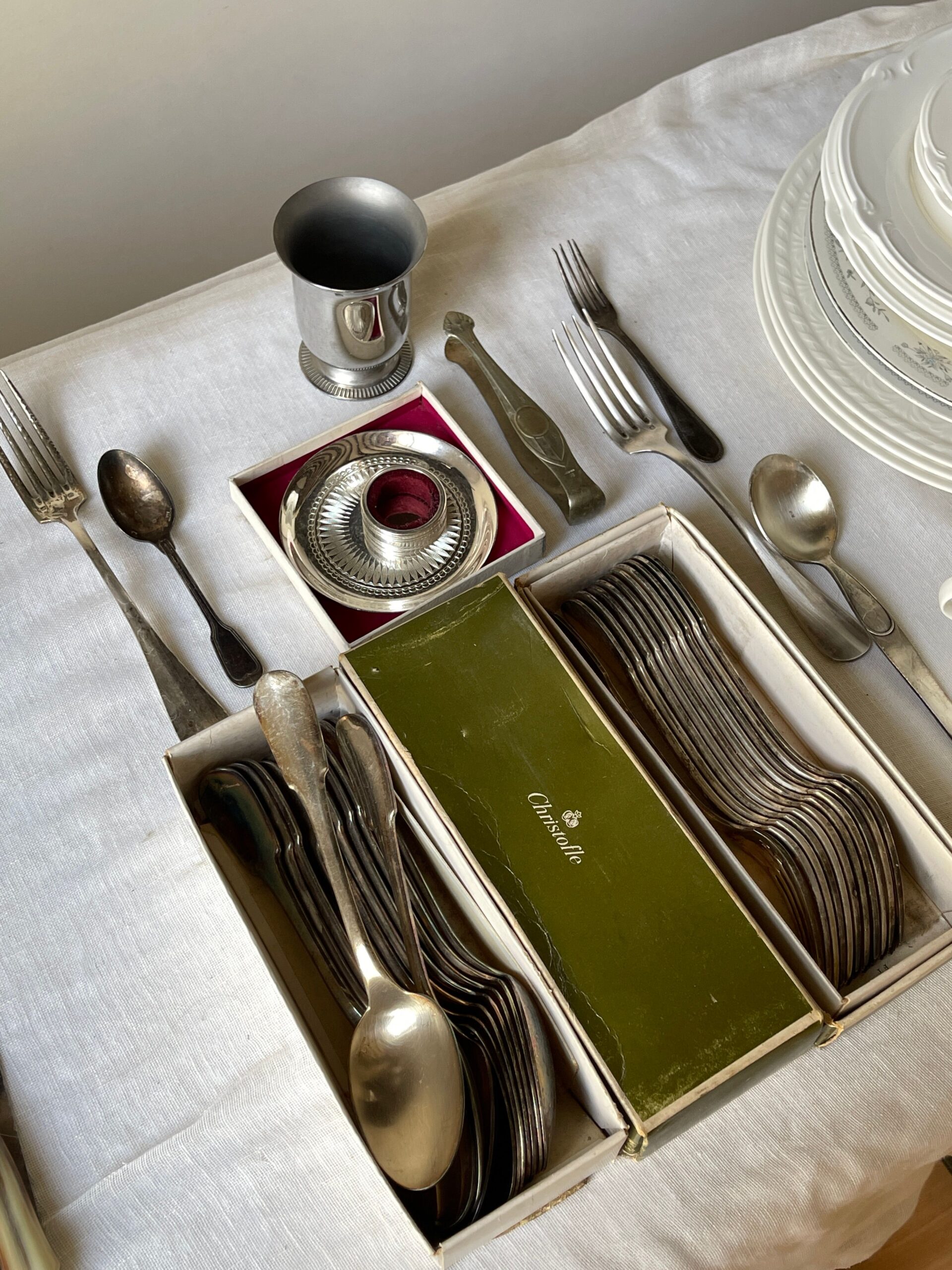
The average household owns a remarkable 120 to 175 kitchen tools and appliances. This number includes everything from a common fork to more complex appliances that languish in the back corners of cabinets. But it’s not just about ownership. Utilization, not possession, is what matters. Numbers don’t lie, though sometimes they reveal an uncomfortable truth about how we consume.
Nearly everyone in the United States uses certain utensils, according to a new YouGov survey of 1,000 U.S. adults. At least 90% of American kitchens have measuring cups, can openers, spatulas, and measuring spoons. Cutting boards, steak knives, whisks, and peelers follow, found in over 80% of homes. These are the kitchen’s infrastructure, the implements that justify their place in the cupboards. On the other hand, a different picture emerges.
Fewer than half (41%) of Americans own chopsticks, garlic presses, juicers, zesters, mandolins, and ricers. Specialized tools are designed for cooking tasks that not all cooks find equally compelling. We have not yet collected such data for the Kenyan consumer market, but we plan to execute it in a ground study.
The Competence Gradient: Skill as a Predictor of Ownership

One of the most salient findings from the YouGov data is a strong correlation between self-evaluated cooking skills and the number of tools a household has. This is not merely a correlation; it suggests a cause-and-effect relationship that warrants further exploration. Among the 21% of Americans who say they are great cooks, ownership rates for each utensil measured are higher than among those who do not consider themselves great cooks.
The differences suggest a cycle of culinary confidence and tool acquisition. Confident cooks are more likely to invest in specialty equipment and use it, expanding their cooking repertoire and further increasing their confidence. The smaller, less confident cook, on the other hand, may buy the same equipment but not feel compelled to learn how to use it, and thus end up with a piece of paper on the shelf.
The demographic dimension is also relevant. As a rule, the older the person, the more likely they are to own most utensils, unsurprisingly, because they acquire these items over their lives. But the younger group owns more chopsticks, ricers, mandolins, zesters, and juicers, suggesting generational shifts in culinary interests and exposure to a variety of cuisines.
The Appliance Paradox: Owning More, Using Less

The statistics on small appliances are alarming, to say the least, while the data on utensils paint a picture of aspirational accumulation. According to a GfK MENA Appliance Ownership Report, the average home has 27 small appliances, but only 9 are used every day. Globally, consumers are estimated to have 20-30 small appliances, of which 8-10 are used regularly. Around 35% of appliances go unused for more than six months, mainly because of a lack of real need and too many overlapping functions.
The U.K. is an example of an appliance surplus. Eight in ten (88%) UK consumers say they have at least one kitchen appliance they have never used or rarely use, and a third (34%) say they have between three and five gadgets they rarely or never use. Additionally, 83% report having at least one appliance in their kitchen that has fallen into disrepair and is covered with dust; researchers call these kitchen graveyards.
One of the fastest-growing appliance categories, the air fryer, illustrates the paradox. In the UK, more than 2.25 million air fryers are unused or have been thrown into landfill or incineration, meaning over 10% of the 20 million air fryers sold in the country end up in landfill or incineration. This not only costs money but also creates an environmental cost, and fewer than four out of ten consumers know it can be recycled.
Why is there a gap between purchase and adoption?
One aspect of the behavioral economics of kitchen gadget acquisition is particularly interesting. Consumer Reports found that one in three adults admitted to buying a kitchen gadget they use only infrequently or not at all. An NPD Group study found that 60% of adults buy new kitchen gadgets every year, yet more than 30% go unused because they are unfamiliar or too complicated.
This isn’t just about intimidation. When new technology emerges, you need time to learn it, and many consumers won’t have the time or motivation, so they stick with what they know. In the end, you end up with a toolbox full of tools that might come in handy but never do.
Aspirational purchasing, the culinary fantasy effect, exacerbates the phenomenon. Today’s consumers increasingly view cooking as an art form and a source of visual and sensory enjoyment, fueling demand for more special and beautiful utensils. However, the disconnect between the cook and the gadgets he dreams of using often shows up in unused gadgets.

A Socioeconomic Dimension: Kitchen Class and Status
Having many kitchen utensils isn’t just about what you want; it’s also about what you have. A survey of 469 middle school families in Korea found that the number of kitchen utensils owned was strongly related to educational level, income, and floor area. The hypothesis that wealthier households accumulate more tools holds across contexts.
This has implications for minimalism as a design and lifestyle principle. Owning less often rests on buying quality and investing in a tool with a higher initial price that will be much more useful. Partly, the minimalist kitchen is a luxury for those with a lot of money, because they don’t need to accumulate; they can be selective.
Design Implications: Toward the Intentional Kitchen
The study of single-person households identified three keywords that captured the ideal kitchen tools: simplicity, comfort, and customization. These values could guide the whole family. They reduce cognitive burden, build cooking habits, and reflect real, not idealized, cooking preferences.
Design scholarship focuses on operational burden, meaning that excessive functions, unnecessary decoration, and complicated interfaces in kitchen tools make users uncomfortable. Rather than fewer tools, minimalist-design advocates argue for more efficient, better-designed tools with minimal extraneous features, high usability, and efficient functionality.
Leave a Reply