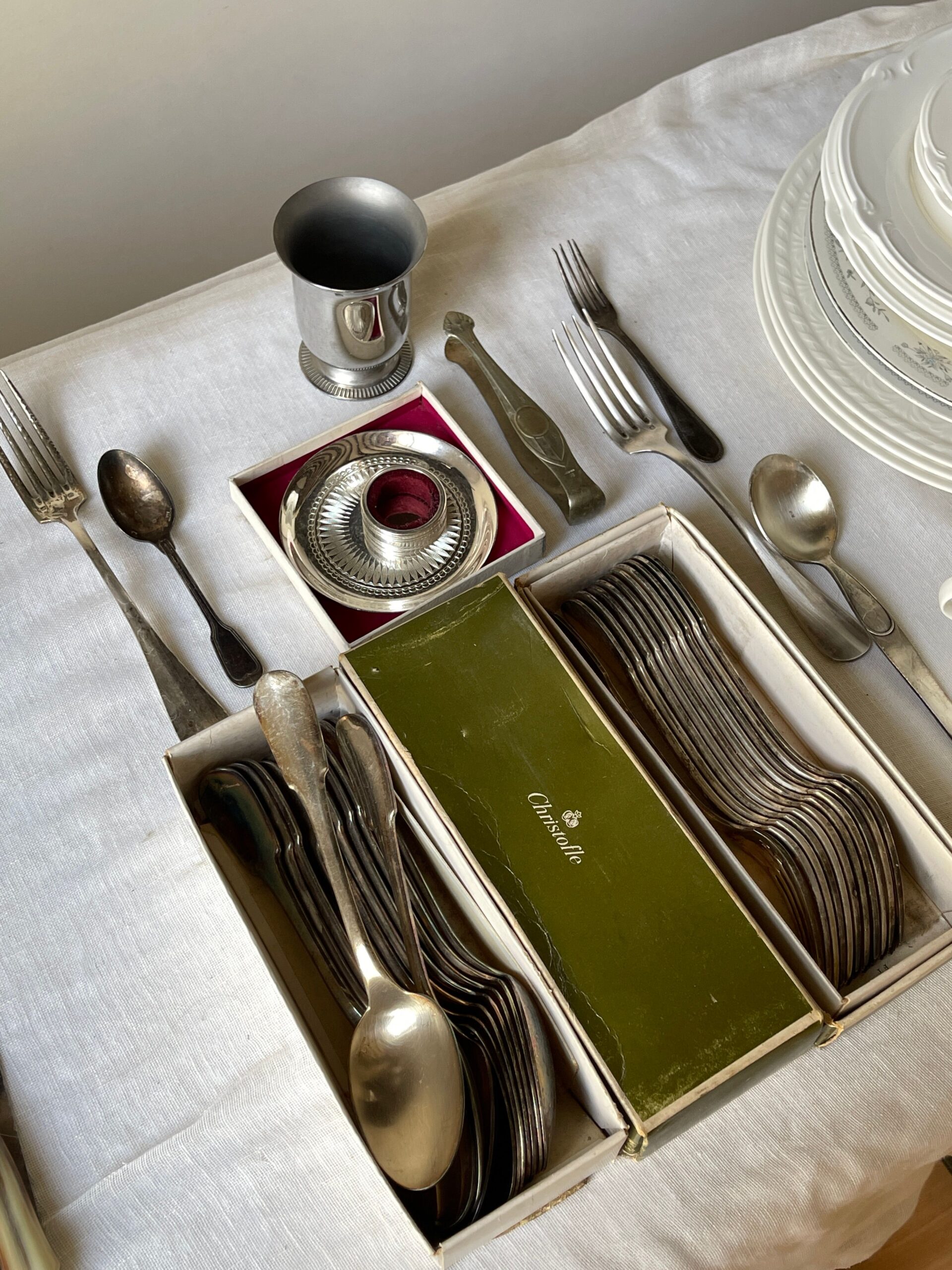
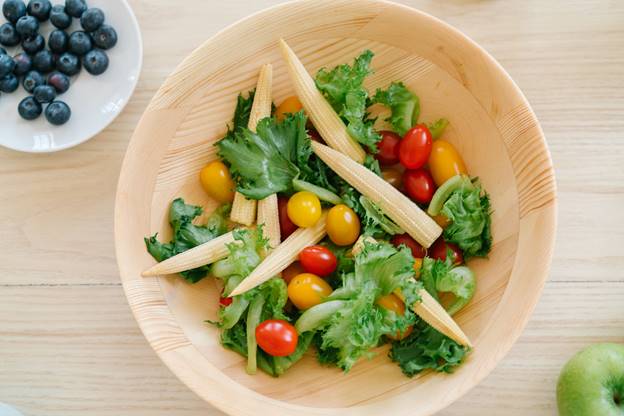
The average household owns a remarkable 120 to 175 kitchen tools and appliances. This number includes everything from a common fork to more complex appliances that languish in the back corners of cabinets. But it’s not just about ownership. Utilization, not possession, is what matters. Numbers don’t lie, though sometimes they reveal an uncomfortable truth about how we consume.
Nearly everyone in the United States uses certain utensils, according to a new YouGov survey of 1,000 U.S. adults. At least 90% of American kitchens have measuring cups, can openers, spatulas, and measuring spoons. Cutting boards, steak knives, whisks, and peelers follow, found in over 80% of homes. These are the kitchen’s infrastructure, the implements that justify their place in the cupboards. On the other hand, a different picture emerges.
Fewer than half (41%) of Americans own chopsticks, garlic presses, juicers, zesters, mandolins, and ricers. Specialized tools are designed for cooking tasks that not all cooks find equally compelling. We have not yet collected such data for the Kenyan consumer market, but we plan to execute it in a ground study.
The Competence Gradient: Skill as a Predictor of Ownership
One of the most salient findings from the YouGov data is a strong correlation between self-evaluated cooking skills and the number of tools a household has. This is not merely a correlation; it suggests a cause-and-effect relationship that warrants further exploration. Among the 21% of Americans who say they are great cooks, ownership rates for each utensil measured are higher than among those who do not consider themselves great cooks.
The differences suggest a cycle of culinary confidence and tool acquisition. Confident cooks are more likely to invest in specialty equipment and use it, expanding their cooking repertoire and further increasing their confidence. The smaller, less confident cook, on the other hand, may buy the same equipment but not feel compelled to learn how to use it, and thus end up with a piece of paper on the shelf.
The demographic dimension is also relevant. As a rule, the older the person, the more likely they are to own most utensils, unsurprisingly, because they acquire these items over their lives. But the younger group owns more chopsticks, ricers, mandolins, zesters, and juicers, suggesting generational shifts in culinary interests and exposure to a variety of cuisines.
The Appliance Paradox: Owning More, Using Less
The statistics on small appliances are alarming, to say the least, while the data on utensils paint a picture of aspirational accumulation. According to a GfK MENA Appliance Ownership Report, the average home has 27 small appliances, but only 9 are used every day. Globally, consumers are estimated to have 20-30 small appliances, of which 8-10 are used regularly. Around 35% of appliances go unused for more than six months, mainly because of a lack of real need and too many overlapping functions.
The U.K. is an example of an appliance surplus. Eight in ten (88%) UK consumers say they have at least one kitchen appliance they have never used or rarely use, and a third (34%) say they have between three and five gadgets they rarely or never use. Additionally, 83% report having at least one appliance in their kitchen that has fallen into disrepair and is covered with dust; researchers call these kitchen graveyards.
One of the fastest-growing appliance categories, the air fryer, illustrates the paradox. In the UK, more than 2.25 million air fryers are unused or have been thrown into landfill or incineration, meaning over 10% of the 20 million air fryers sold in the country end up in landfill or incineration. This not only costs money but also creates an environmental cost, and fewer than four out of ten consumers know it can be recycled.
Why is there a gap between purchase and adoption?
One aspect of the behavioral economics of kitchen gadget acquisition is particularly interesting. Consumer Reports found that one in three adults admitted to buying a kitchen gadget they use only infrequently or not at all. An NPD Group study found that 60% of adults buy new kitchen gadgets every year, yet more than 30% go unused because they are unfamiliar or too complicated.
This isn’t just about intimidation. When new technology emerges, you need time to learn it, and many consumers won’t have the time or motivation, so they stick with what they know. In the end, you end up with a toolbox full of tools that might come in handy but never do.
Aspirational purchasing, the culinary fantasy effect, exacerbates the phenomenon. Today’s consumers increasingly view cooking as an art form and a source of visual and sensory enjoyment, fueling demand for more special and beautiful utensils. However, the disconnect between the cook and the gadgets he dreams of using often shows up in unused gadgets.
A Socioeconomic Dimension: Kitchen Class and Status
Having many kitchen utensils isn’t just about what you want; it’s also about what you have. A survey of 469 middle school families in Korea found that the number of kitchen utensils owned was strongly related to educational level, income, and floor area. The hypothesis that wealthier households accumulate more tools holds across contexts.
This has implications for minimalism as a design and lifestyle principle. Owning less often rests on buying quality and investing in a tool with a higher initial price that will be much more useful. Partly, the minimalist kitchen is a luxury for those with a lot of money, because they don’t need to accumulate; they can be selective.
Design Implications: Toward the Intentional Kitchen
The study of single-person households identified three keywords that captured the ideal kitchen tools: simplicity, comfort, and customization. These values could guide the whole family. They reduce cognitive burden, build cooking habits, and reflect real, not idealized, cooking preferences.
Design scholarship focuses on operational burden, meaning that excessive functions, unnecessary decoration, and complicated interfaces in kitchen tools make users uncomfortable. Rather than fewer tools, minimalist-design advocates argue for more efficient, better-designed tools with minimal extraneous features, high usability, and efficient functionality.
Traditional biomass fuels such as firewood and charcoal remain the primary cooking fuels for almost 70% of Kenyans. However, things are changing in 2026. The government’s targets, significant international investment, and the ingenuity of local innovators and manufacturers are making clean cooking a reality, not a far-fetched dream, for the country.
The Human Cost of Traditional Cooking
The effects of smoke on millions of Kenyan families gathering around cooking fires in their homes extend beyond the kitchen. According to the Kenya National Cooking Transition Strategy (KNCTS), household air pollution in Kenya causes about 22,283 deaths every year. This is not just a health issue; it is a generational issue.
Women and girls carry the heaviest burden. Studies indicate that using clean cooking technologies would save about 790 hours per household per year. That is time currently spent collecting firewood and tending smoky fires instead of generating income, learning, or resting. Researchers in neighboring Tanzania found that an extra hour of firewood collection reduced school attendance by 25 minutes a week, resulting in a 20% reduction in attainment 20 years later.
However, “the reliance on biomass continues to have far-reaching implications for public health, environmental sustainability and climate resilience,” warns Kenya’s National Council for Nomadic Education (NCNE) CEO Harun Yussuf.
Kenya’s Bold National Strategy
By 2028, Kenya is targeting universal access to clean cooking, two years ahead of the SDG 7.2 target. This is a national priority under the Kenya National Cooking Transition Strategy (KNCTS), which sets ambitious targets: 3% of households using wood stoves, 2% using charcoal, 50% using LPG, and 30% using bioethanol. The total cost of achieving universal access in Kenya is estimated at KSh 133 billion, with KSh 56.5 billion allocated to households and KSh 76.7 billion to institutions such as schools, hospitals, and prisons.
Institutional Transformation: Schools, Prisons, and Public Facilities
In Kenya, some of the most dramatic changes are happening in public institutions. Over 97,000 educational institutions, more than 13,000 health care facilities, and more than 130 correctional facilities prepare meals daily; 90% or more still rely on biomass.
Schools Leading the Change
The National School Meals Program (NSMP), which reaches 2.6 million learners, especially in the Arid and Semi-Arid Lands (ASALs), is undergoing a complete transformation. The government has introduced the Institutional Clean Cooking for Sustainable and Universal Climate-Smart School Meals Project, which is introducing clean cooking technologies in 11 ASAL schools and constructing kitchens in thirteen additional schools.
The results are already promising. Pilots have reported significant reductions in fuel consumption, improved kitchen efficiency, healthier workplaces, and reduced operational costs. Kenya is also building its first institutional centralized kitchen in Eldoret City, which will serve over 30,000 learners.
Correctional Facilities Making the Switch
The State Department for Correctional Services aims to fully switch from wood fuel to clean energy within one year. Correctional facilities currently consume 64,000 metric tonnes of wood fuel, which imposes significant financial, environmental, and health costs. The initiative, which includes LPG, biogas, solar-powered stoves, and steam technologies, among others, follows a successful pilot conducted at Lang’ata Women’s Maximum-Security Prison.
County-Level Momentum
National adoption of clean cooking is 24%, but adoption rates vary significantly across counties. The Accelerating County Cooking Transitions (A2CT) project, funded by SNV Netherlands Development Organization, has been introduced in Kakamega County, where a large proportion of the population lives in rural areas, contributing to an adoption rate of only 9%.
Meanwhile, Makueni County inked a five-year agreement with CLASP, with the initiative targeting more than 4,500 people across 63 vocational training centers. Governor Mutula Kilonzo Jr. said that the county is committed: “We know what’s possible when the right partners show up. This is about scaling this partnership, lowering fuel costs in our institutions, and creating jobs for young people in the clean energy sector.”
The Investment Case
Clean cooking is emerging as an increasingly attractive, investable opportunity rather than simply a development need. The Kenya Institutional Clean Cooking Sector Pack highlights an investment opportunity to reach 100,000 institutions serving 12.6 million people by investing KSh 72 billion.
The math is compelling. Annual social and private benefits from sustained use of clean cooking technologies would exceed US$240 million, including health benefits, time savings, carbon reduction, and other benefits. In addition to the savings, the shift would prevent 26,588 deaths and avert 622,782 disability-adjusted life years (DALYs). To date, $750 million has been disbursed from $2.2 billion in pledges for clean cooking projects from 2024 to 2030. Kenya has received the largest share of the pledges, accounting for 19% of overall spending. In July 2026, Kenya was among the first countries to join the newly formed Clean Cooking Alliance (CCA) under the IEA, making a more significant contribution to the sector.
Local Innovation and Job Creation
A clean cooking revolution is not merely a technology import; it also means developing manufacturing capacity and creating jobs in the country. Local cookstove production has evolved through the project “Promotion of Climate Friendly Cooking: Kenya and Senegal,” funded by the Green Climate Fund.
During the project period (2020–2025), more than 4.7 million improved cookstoves (ICS) were produced and sold. It created 60 business-class producers and 146 intermediate professional producers. This program alone created 3,466 full-time employment opportunities in 2025.
Artisanal stove producers in Murang’a County, who used to produce 50 stoves a month, have become professional producers employing six staff and producing 300 stoves a month. In Tharaka-Nithi County, Bruce Kimanthi increased production from 2,000 ceramic liners per month to 5,000, thanks to supply chain management training.
Environmental Impact
The environmental advantages are just as significant. So far, the GCF project has saved more than 5.7 million tons of CO₂. Transitioning to clean cooking in Kenya at 100% adoption is expected to reduce more than 7 million tons of CO₂ equivalent in basic climate-forcing pollutants.
This directly supports Kenya’s National Tree Growing and Restoration Campaign, which aims to plant 15 billion trees by 2032. Clean cooking helps reduce pressure on Kenya’s forests and mitigate the climate crisis by reducing wood fuel use.
Challenges Remain
While progress has been strong, challenges remain. An estimated 850,000 Africans die prematurely each year due to the use of unsafe cooking methods – four out of five Africans still cook with unsafe methods. The government recognizes that “without a faster pace of investment and implementation, Kenya, like many other African countries, will not reach universal access to clean cooking by 2030.”
One of the biggest challenges remains affordability. The approach aims to cover fuel and stove subsidies through carbon credits generated by the continued use of clean technologies. The government’s intention to put 10 million homes on subsidized LPG is a significant commitment, but implementation remains a major challenge, including limited county-level resources.
With the latest gimmicks, rare and unusual items that perish before you can use them, and the desire to make something for Instagram, cooking can feel stressful instead of a way to feed the soul. The modern kitchen can feel daunting, so let us face it. However, a subtle shift is taking place, even in 2026 design. Minimalism is not going away; it is evolving. It is moving away from the sterile, empty look toward a more functional, purposeful aesthetic focused on sanity, sustainability, and taste. Minimalism can completely revolutionize the way you cook for the better in the following ways:
This is the Shift: From Overwhelm to Intention
You are not the only one who’s opened her pantry, gotten a bit panicky, and ordered takeout. The modern cooking trend is to go for the complexity. There must be a special tool for each job and a kitchen with every spice you can dream of. This results in decision fatigue. Choices and clutter abound, and we must start somewhere.
Minimalist cooking is the cure! It is not about eating plain food; it is about cutting out the chaff and focusing on what matters: good ingredients, efficient processes, and enjoying the meal. After simplifying their kitchen, one home cook said the best life isn’t about having more to get richer, but about letting go of the redundant to live more simply and comfortably. It can turn the kitchen into a war zone and disrupt serenity.
There is also a trend towards soft brutalism and human-made designs. Technology is clinical, and this trend balances it by highlighting tactile qualities and craftsmanship. In effect, this translates to kitchens becoming homier and more efficient, rather than spotless and perfectionistic. The focus is on quality over quantity, incorporating natural materials such as wood and stone and choosing efficient appliances. This departs from the more-is-more philosophy, creating a space carefully selected and designed to make cooking a delight, not a task.
Core Principles of Minimalist Cooking
1. The Meal Prep Revolution
A huge, incredibly useful part of minimalist cooking is being efficient most of the time through batch cooking, or meal prep. It is about thinking strategically about cooking, not scrambling every day.
Busy people have shifted to bulk-preparing foods once or twice a week. This means selecting a few core ingredients such as a lean protein, a vegetable that can be used in many ways, and a healthy carbohydrate and preparing a big batch. You can then store these individually in the fridge and use different sauces or seasonings to create different meals throughout the week, with the option to mix and match. This reduces kitchen time from more than an hour a day to about 15 minutes. The approach is to plan, prepare, and relax.
2. The Power of Task Layering
A professional chef should not waste time, and neither should a home cook. Task layering is an innovative idea. This includes scheduling cooking time in your calendar, pairing down tasks with things you can do while waiting for something to cook, such as chopping veggies, with activities you can do while things are simmering, such as making a sauce. Rather than working on a single task, you are a kitchen choreographer. Bring sauce to a simmer and prepare vegetables while it cooks. Here you are, spending no minutes wasted and staying mentally productive without adding to your mental load, smoothing the stressful process.
3. The One-Pot and No-Heat Movement
Cleaning is a minimalist concept, as well. This is known as the one-pot or one-pan technique, a popular cooking method for anyone from a single person to a large family. It makes dishes in one pot or on one sheet pan, so you save a lot of cleanups.
No-heat or no-oil cooking is also becoming popular, in part because of Japanese cool meals. This includes mixing items such as warm rice, cold tofu, canned fish, and vegetables without using the stove. It’s not necessarily a nutritious food, but it’s certainly a demonstration of the way minimalism will ask you to simplify the process to the very extreme, rather than the oil splatters, heavy cleaning, and thinking about what kinds of ingredients and foods you should think about using.
4. Curbing the Chopping Anxiety
For many people, the most daunting part of cooking is the preparation itself. One basic rule for minimalist cooks is to do everything on the weekend: chop and prep vegetables and make the sauce. A frequently offered tip for minimalist cooks is to do the chopping and prep on the weekend and make the sauce.
Do not make all meals from scratch. Instead, cook a whole chicken once per week, blanch the broccoli once, and chop all the carrots and onions. On Tuesday nights, when you open your fridge, you do not see a whole chicken; instead, you see pre-portioned chicken breasts and cut vegetables ready to make. The learning load is removed. No preparation is involved; you are simply putting it together. This exercise helps prevent the so-called staring-into-the-fridge syndrome that can lead to pizza orders.
The Kitchen: Space for Calm
Space is also needed to embody the minimalist approach. One of the interior design mantras for 2026 is: everything has a home, and it looks good there. The golden standard for a minimalist kitchen is “台面无物” (clear counters). When not in use, store it away. Use clever storage solutions that minimize visual noise and make items easy to put away and retrieve.
Strategic Storage
Utensils: Use a magnetic white utensil strip that clips to the wall to save counter space, or a white utensil drawer organizer to hide the utensil mess.
Use slim pull-out pantries to maximize vertical space and keep everything visible. This reduces the risk of buying the same spices or food twice or letting them spoil because you don’t realize you already bought them.
Curating Tools: A key element of minimalist cooking is having a few essential tools. As with eliminating decision fatigue, you can minimize physical and mental clutter by minimizing gadgets. A sharp knife, large cutting board, cast iron skillet, and Dutch oven can be your entire arsenal.
The Benefits: What You Actually Gain
A minimalist approach to cooking has real-world positive impacts, beyond saving time.
Less Stress and Decision Fatigue: With fewer choices, you spend less mental energy on inconsequential decisions.
Money Savings: You will save money by cutting back on waste and ordering less food. It’s more economical to buy whole foods at once and serve them throughout the week than to make individual meals.
Enhanced Wellness: A diet with fewer processed foods and more whole foods naturally supports better health. It helps you avoid processed foods and take charge of what you put in your body.
When you take stress and chaos out of the kitchen, cooking and eating become enjoyable, and many people come to appreciate the taste of simple, good-quality food more than complex food.
This year, we’re learning that good doesn’t have to mean bigger or fuller in the kitchen. It is the easiest way to make nutritious food without going crazy. Low-prep cooking isn’t deprivation; it’s a path to a better, simpler, more delicious life. It’s not a cooking show; it’s about cooking for life.
We live in the best-lit times in human history, yet we feel as far from light as ever. Today, the global lighting market is worth more than USD 80 billion and is set to reach more than USD 100 billion by 2029. We are buying lots of lighting, and we feel it is a way of filling something we perceive as missing from our lives, which are often artificially lit. Before the 19th century, people were outside by the light of nature or by firelight for 80 per cent of their waking hours. In today’s modern world, most of the developed world’s population spends more than 90% of their time indoors.
Circadian rhythms, emotional security, melatonin production, and our bodies’ routines were shaped by the sun’s rhythm and the cosy glow of flame. That’s been replaced by the dull, impassive bleat of overhead LEDs. The clean lines, stark white walls, polished concrete, and large glass doors are an architectural achievement and, at night, a sensory-deprivation chamber. And it’s not simply a matter of buying another lamp to solve the problem. It requires a reorientation towards living in space, a philosophy.
The Architecture of Coldness.
Minimalism, simplicity and honesty in architecture are the hallmarks of a hard-edged room, the signature style of our time. Its qualities are undeniable: clarity, spaciousness, and visual calm. However, hard surfaces, such as glass, steel, polished stone, and smooth drywall, do not absorb light. They bounce light around the room in an uncoordinated, raucous stream. The outcome is a bright, hollow, noisy yet empty space; the effect is known as light glow. Light scattered randomly across hard surfaces produces competing lights and shadows that can irritate the eyes and overload the nervous system. Despite the non-literal sense, space is a hall of mirrors; a reflection of our restlessness, or our restlessness reflected at us. The colour scheme of today’s modern design exacerbates the issue. The calm, blank walls are white and grey and can be harsh judges of light. They make high-Kelvin bulbs feel colder and make unshaded fixtures even harsher.
How We Lost Warmth
Fire has been used to light homes for thousands of years, either through open fireplaces, candles or oil lamps. Firelight is the first of the warm lights, ranging between 1800K and 2000K, and is a deep, warm amber light that softens edges, enhances skin and relaxes. It was the irregular, alive, stuff that light in a modern steady state cannot match in our peripheral vision. Gas lighting was the first move towards cooler lighting in the early 19th century. It was a return to warmth that made Edison’s incandescent bulb so popular: it was the convenient, safe form of firelight. Incandescent lamps were the standard for more than 100 years, and our homes had a minimum of heat.
Next came the efficiency revolution. The unpleasantly greenish hue of fluorescent lighting was first imposed in offices and schools within institutional buildings, where people did not feel at ease. Early LEDs were also cold, typically producing a colour temperature of over 5000K, the colour of a cloudy midday sky. Although LED technology has progressed to make it possible to achieve a warmer temperature, the efficient ways of thinking remain. Even though we purchase bulbs based on the number of lumens per watt, not the emotional effect. Engineering drawings are still used to create lighting plans, and planning based on human experience is still not a thing of the past. We can make it warm, but we have lost the purpose.
The Science of Light and Human Biology
The human eye contains intrinsically photosensitive retinal ganglion cells that help us see and also help maintain our internal clock. These cells respond to blue light and help inhibit the production of melatonin in the brain’s suprachiasmatic nucleus. This is how light helps keep us awake. It is also the way that cold blue light colours can lead to anxiety, alertness and an inability to relax. Melatonin suppression starts at just 100 lux, which is the light intensity of a typical table lamp. Melatonin is delayed by up to 90 minutes by exposure to 4000 K light 4000K in the evening. In controlled studies, warm light (2700K) has been found to decrease stress hormones, and cool light increases the level of cortisol. The decision to use a 5000K bulb in our living room is not a design decision; it’s a physiological intervention that could affect sleep, increase stress, and reduce the ability to get a good night’s sleep.
The Psychology of Warmth
Warm light is neurologically associated with safety, intimacy and trust. This connection is deeply rooted in our evolutionary history: fire was a means of survival, community and marking the end of the day’s work. Cool light, on the other hand, was linked to vigilance, danger and exposure that could only occur in the bright light of the midday sun on the savanna, when predators could see them and they had nowhere to hide. That is why there is warm lighting in every hospitality space, such as hotels, restaurants and spas. They are not just going along with the flow; they’re responding to an instinctual emotional reaction. Our nervous system calms when we enter a room at 2700K, with layered shadows and glowing accents. Our nervous system is alert when we enter a room with flat, overhead light at 4000K. More than 70% of designers surveyed by the American Society of Interior Designers listed lighting as the top factor in establishing a mood for a space, and a majority rated the warm colour temperature as one of the most important factors for a residential project.
The Philosophy of Layering
Layered lighting is more than a method; it’s a philosophy about the relationship between people and space. It doesn’t treat light as a solution to spray around a room like paint, but as a variable medium that must be controlled depending on the activity, time and mood. Ambient lighting is the basic illumination that serves as the foundation for architects. It’s the functional level that allows us to move around space safely. If the subject is set in a hard-edged room, ambient lighting is frequently brought in through a recessed can or one of the light fixtures located in the centre of the ceiling. The important thing to remember is that light in the environment must be the least important line of your lighting system, not the most. It should supply sufficient light to see the room, but not so much that other, more interesting and warmer light sources are needed to fill the remainder of the light.
Task lighting is functional, designed for specific activities. Task lighting can be very useful in a well-designed room, adding a focal warmth and contrasting with the ambient light layer, creating deliberate, inviting pockets of light. Accent lighting is the decorative element, for example, illuminating architectural features, art or textures. This is the layer that makes the room come alive, adds visual interest and helps to direct the eye through the room. Even the most stunning room can look uninteresting and unfurnished, like a showroom, without accent lighting.
Mathematics of Layers.
Light levels are quantified by a unit called illuminance, measured in lux (lumens per square metre), which is the unit used by professional lighting designers. The Illuminating Engineering Society (IES) provides guidelines for the minimum desired levels for residential areas:
Renting Area
Ambient Lux
Task Lux
Accent Contrast Ratio
Living Room
50-100
300-500
3:1 to 5:1
Kitchen
100-150
500-750
5:1 to 10:1
Bedroom
30-50
200-300
3:1 to 5:1
However, the contrast ratios are truly the key to this wisdom. If you have a 5:1 ratio between your task light and ambient light, that means your task light is five times more intense than the ambient light. This contrast is what gives a cosiness, a sense of warmth and shelter, a pool of light surrounded by muted shadows. These ratios are particularly important in a hard-edged room, since reflective surfaces tend to reduce contrast. The shadows and highlights can really make or break the layered look and feel of a room, so it’s important to create them.
The Dimmer
The global market for dimmable LED bulbs was estimated at more than 2.3 billion USD in 2020 and is expected to grow by 8.2% annually until 2027. However, a 2018 Statista survey found that more than half of homeowners in the United States were not using any dimmer switches in their homes. The first and most inexpensive yet effective way to soften a hard-edged room is to use a dimmer. The shadows deepen, reflections decrease, and the room feels more intimate and softer.
Other Lighting Layers
Lighting a wall with light on the floor is one of the most time-tested lighting strategies when decorating. It helps make the ceiling appear higher and provides a warm glow that highlights texture, softens hard angles, and creates a sense of movement. Uplighting can change the architecture in a room, especially in rooms with high ceilings or exposed structural elements. A beam of warm light along a concrete pillar or a stone fireplace wall makes the structure feel warm and creates a visual anchor. The light plays with the material, highlighting the characteristics of its surface and softening its industrial appearance. The U.S. decorative lighting market, which comprises floor lamps, table lamps and sconces, reached a value of more than $12 billion in 2022. This indicates that consumers are already looking for such secondary light sources, although not necessarily in a smart way. The most important part is intentional placement; all of the lamps will have a purpose other than to light the way.
Elevated task lighting is not only functional but also emotional. A reading lamp placed beside an armchair gives a visual invitation to sit, linger and be comfortable in a warm, golden pool of light. An island pendant fixture creates a focal point in the kitchen.
Ambient lighting in a hard-edged room can be an antidote to the impersonal light that abounds. It brings human scale to a monumentally large area, which may otherwise be stark and uninviting. When a room has warm task light but cooler ambient light, the resulting contrast gives a sense of a dynamic, living room. A translucent or perforated shade provides interesting textures of shadows on the ceiling and walls, a visual texture that helps to soften the hard edges of the room. In contrast, a solid shade will focus all light into the pool, which will give a more intimate and focused look.
Light sources can be placed on top of bookshelves, in cabinets, under furniture, or behind plants; this is one of the best techniques, though it is not often used. These lights are concealed and create a glow as though the room itself is glowing. Hidden lights are especially beneficial in a hard-edged room, as they add depth and mystery. Installed on the back of a TV unit or under a bed frame, a strip of LED tape will give a floating appearance that makes the room look softer. A small light in a glass-fronted cabinet makes the contents glimmer; it provides the accent layer that brings personality and warmth. Hidden lighting is very inexpensive and is controlled by a remote.
Meditation, exercise, and nutrition are often thought of as practices we do ourselves. Self-care is also about the environment, however. The mental state is constantly shaped by the space we occupy, whether awake or asleep. Lighting is one of the most potent environmental factors we have at our disposal, yet it is often the least considered. For example, the average person will experience 3,000 to 5,000 changes in light in a day, from the light of a cell phone screen to the more intense light in an office to the softer light of a living room lamp. All these transitions leave a mark on the nervous system, modify cortisol levels, affect melatonin production, and influence mood. Beautifully lit rooms are not a luxury but a daily routine of mental health care.
Cool lighting
Cool lighting throughout most of the 20th century was synonymous with progress, modernity and efficiency. The clean, objective, rational lighting atmosphere of 4000K and higher, as in fluorescent offices, hospital corridors, and supermarket aisles, emphasised cleanliness, objectivity, and rationality. In a sense, choosing warm light was choosing the past. We haven’t yet come to the end of that cultural inheritance, though. With our homes adorned with mid-century pieces and artisan ceramics, we still leave the overhead lights on full blast. We tend to believe that if something’s visible, it’s better; if it works rationally, it’s better; if it’s comfortable, it’s better. This is slowly changing, though. As the wellness movement, the development of biophilic design, and the growing recognition of circadian health are driving a more sophisticated understanding of light, we are now seeing a more nuanced appreciation of it. But this hard-edged room will not disappear; our relationship with it is changing. We’re finding we can have all that and the warmth of old light too. There’s only one thing that’s required: intention.
The next step in lighting for the resident and building is circadian lighting practices that automatically modulate the colour temperature and intensity of the light over the course of a day to optimise natural biological rhythms. The light is set to 5000K in the morning to help promote alertness. Come evening, it’s lowered to 2700K to promote relaxation and sleep. Sales of circadian lighting are projected to increase from $500 million in 2020 to more than $3.5 billion by 2028. You don’t have to pick between warmth and function; you can have both a warm and a functional side at different parts of the day.
The wrong wine glass can spoil a bottle of wine. It is a widespread belief that wine glass design is largely cosmetic, yet the shape, rim thickness, and bowl shape can have a dramatic influence on the aroma and flavour of wine.
Red wines are generally better served in a larger bowl or glass, as the glass encourages oxidation and consequently deeper aromas. White wines are served in smaller bowl-shaped glasses because they help to keep the wine fresh and colder. Wine professionals, due to their experience, understand that a good wine glass can better concentrate the aromas, regulate oxidation, and lead the wine to the proper parts of the tongue. This is why wine lovers who take their wine seriously tend to spend a lot of money on quality glassware from reputable brands such as Riedel, Zalto, or Schott Zwiesel.
But the same type of glass is not required by all wine lovers. Others want a universal wine glass they can use every day, whereas others want special glasses, whether for red or white wine. The biggest determinant of the best fit will be budget, durability, storage space, and frequency of use.
Three key principles are guiding the design of wine glasses:
Bowl Size and Oxygen Exposure
The amount of air that the wine meets depends on the bowl of the wine glass. Bigger bowls allow more oxygen to be incorporated into the wine, thus releasing aromatic compounds and softening tannins. This is why large-bowled glasses are normally used to serve bold red wines like the Cabernet Sauvignon, whereas small bowls can serve lighter wines well.
Rim Diamond and Aroma Level.
The diameter of the rim determines the flavour that gets to your nose. The slimmer rim directs aromas upwards, giving drinkers an opportunity to sniff intricate layers of fruit, spice, or floral aromas. This design greatly enhances the senses. The cheaper glasses typically have thick rims, which spread aromas instead of focusing them.
Rim thickness and Drinking experience.
The rim is thin, and the wine flows well on the palate. A rim that is too thick makes the wine feel clumsy and less sophisticated to drink. This is a slight distinction, and one of the reasons that good crystal glasses can feel much better than cheap daily glasses.
My Top 6 Picks
Zalto Denk Art Universal wine glasses.
According to professional sommeliers, the Zalto Denk Art Universal glass is for white wines. Individuals who use this glass as their substitute tend to do so mostly because of a single factor: precision of aroma. It is a very high-quality piece of glass for focusing aromas, which is why drinkers can pick out even the finer elements of flavour that would otherwise be imperceptible.
There are trade-offs to this degree of refinement. Due to the thinness of the glass, it must be handled with great care and may seem delicate to use daily. It may not be very practical for buyers who frequent large parties and wish to use dishwasher-safe glasses.
Whereas the Zalto glass has been associated with classiness, the Gabriel-Glas StandArt emphasises utility and stability. The shape of the bowl of this glass resembles that of a bowl, which is meant to be used with virtually every kind of wine without special glassware. The glass is very popular among buyers due to the balance between performance and utility. The Gabriel-Glas StandArt is a little heavier and sturdier. Although this might seem like a drawback, it in fact makes the glass more robust and easier to operate in a normal environment.
The Riedel Vinum Cabernet glass is taller and wider than the universal glasses. This enables aggressive wines like Cabernet Sauvignon, Merlot, and Bordeaux mixtures to breathe better. This glass is popular with wine drinkers who like rich, tannic reds, as it helps dull rough tannins and enhance fruit aromas.
One more reason why we like this glass is its price-to-performance ratio. Although it offers most of the tasting benefits of high-quality glass, it is cheaper than ultra-luxury.
Schott Zwiesel Burgundy glass is intended to hold light red wine such as Pinot Noir. Its bowl is broader than most red wine glasses, so the wine dispenses and spreads its minor aromas. This glass is preferred by many people over ordinary red wine glasses as it helps to increase the floral and fruity aromas that can be wasted in smaller bowls. The next huge advantage is that it is durable. Schott Zwiesel has a unique crystal technology called Tritan, which reduces the chances of breaking. These are excellent alternatives to finer crystal glasses because homes that desire a robust red wine glass without worry that it is fragile can use them.
Spiegelau Authentis glass is famous in restaurants as it is very nice, cheap, and can last longer. This one has a slightly narrower bowl compared with large universal glasses, and it is easier to contain more delicate aromas than white wines like Sauvignon Blanc or Riesling may have. Buyers favour this glass since they can enjoy the fine wine experience without spending the fortune associated with very luxurious crystal glassware.
Riedel Ouverture glass is a favorite entry-level glass among those just venturing into wine. This is because of its smaller bowl design, which contributes to the crisp acidity many white wines are renowned for. This shape gives the lighter wines a more vibrant and refreshing feel compared with universal glasses. What makes this glass popular among many is that it provides great performance at a reasonable cost, which makes it a good place to begin a collection of wine glasses.
Not the most expensive wine glass is necessarily the best. Rather, it depends on the use you intend to make of it. It can be very easy to be aware of these priorities, you can check our other review here.
No matter what you are uncorking maybe a Friday night Pinot or a holiday dinner- the right wine glass can turn your world upside down. Whether it is top-of-the-line all-purpose glassware or everyday dependable lines, we have put through dozens of glasses, poured, swirled, and sipped to find you the best.
Top Pick: Best Overall Universal Wine Glass
Glasvin Universal Wine Glass; set of 2
Glasvin Universal Wine Glass is always a favourite of ours, and it’s no wonder. It’s an all-purpose one that is good for reds, whites, and even sparkling wines, and offers balance and pure credibility shot after shot. The classic bowl design will take full advantage of the aromas of all beer styles, and the super smooth lip will bring every beer drink to sophistication. Golden Age Wine’s Trent Stewart notes that it’s a very comfortable glass to drink. Its shape is amazing, and its opening is just the perfect size; you can put your nose in the bowl and experience all the aromatic effects.
The Glasvin Universal wine glass is a super-thin, light, all-purpose wine glass designed to fit any wine, whether red, white, or sparkling. It goes for $82 or 10500 Kenyan shillings for the set of 2. The glasses are beautifully designed and have a contemporary form that is both cosy and stylish, each adding its own distinctive flavour and fragrance. They are dishwasher-proof recommended for the bottom rack, come with an earth-friendly packaging option, and have a 500 ml holding capacity. It will be ideal for normal use, but it is not recommended for ice cubes.
FREE international shipping Free 75-Day Trial Cool Packaging
Multi-purpose Design – these glasses are designed to suit all types of wine, whether red, white, rosé, or sparkling; they show all the richness of the wine or the bouquet.
One-piece, hand-blown by highly skilled European artisans into a smooth and stylish piece without glues, joints, or seams of any kind.
Dishwasher Safe and Hard-wearing. The crystal is thin and is not affected by washing, even one thousand times.
Designed to improve Aroma. The bowl is expanded, and the flair has been designed to aerate the wine, creating a more pronounced bouquet.
Gift-Ready- Delivered in a beautiful box and perfect for a wedding, engagement, housewarming gift, or gift on Mother’s Day.
You can be considered just a plain wine drinker or an expert wine consumer, but a proper glass may make an enormous difference. So it’s Gabriel-Glas’s exquisite craftsmanship, Glasvin’s pinpointness, or the convenience of sets like SUNDABESTS; there’s a style here, a sip here, a price here.
At HomeyQuizs, we understand that it is not all about the taste of wine; it’s about the experience. And when we have the perfect glass in hand, every pour is slightly more special. To improve wine life, one glass after another.
Contains custom information set by the web developer via the _setCustomVar method in Google Analytics. This cookie is updated every time new data is sent to the Google Analytics server.
2 years after last activity
__utmx
Used to determine whether a user is included in an A / B or Multivariate test.
18 months
_ga
ID used to identify users
2 years
_gali
Used by Google Analytics to determine which links on a page are being clicked
30 seconds
_ga_
ID used to identify users
2 years
_gid
ID used to identify users for 24 hours after last activity
24 hours
_gat
Used to monitor number of Google Analytics server requests when using Google Tag Manager
1 minute
_gac_
Contains information related to marketing campaigns of the user. These are shared with Google AdWords / Google Ads when the Google Ads and Google Analytics accounts are linked together.
90 days
__utma
ID used to identify users and sessions
2 years after last activity
__utmt
Used to monitor number of Google Analytics server requests
10 minutes
__utmb
Used to distinguish new sessions and visits. This cookie is set when the GA.js javascript library is loaded and there is no existing __utmb cookie. The cookie is updated every time data is sent to the Google Analytics server.
30 minutes after last activity
__utmc
Used only with old Urchin versions of Google Analytics and not with GA.js. Was used to distinguish between new sessions and visits at the end of a session.
End of session (browser)
__utmz
Contains information about the traffic source or campaign that directed user to the website. The cookie is set when the GA.js javascript is loaded and updated when data is sent to the Google Anaytics server
6 months after last activity
SourceBuster is used by WooCommerce for order attribution based on user source.
Name
Description
Duration
sbjs_session
The number of page views in this session and the current page path
30 minutes
sbjs_udata
Information about the visitor’s user agent, such as IP, the browser, and the device type
session
sbjs_first
Traffic origin information for the visitor’s first visit to your store (only applicable if the visitor returns before the session expires)
session
sbjs_current
Traffic origin information for the visitor’s current visit to your store
session
sbjs_first_add
Timestamp, referring URL, and entry page for your visitor’s first visit to your store (only applicable if the visitor returns before the session expires)
session
sbjs_current_add
Timestamp, referring URL, and entry page for your visitor’s current visit to your store
session
sbjs_migrations
Technical data to help with migrations between different versions of the tracking feature